Furnace leaking water? what Severance homeowners should check
A furnace leaking water in Severance is almost always a clogged condensate line, a frozen drain, or a failed pump. Here is what to check before you call.
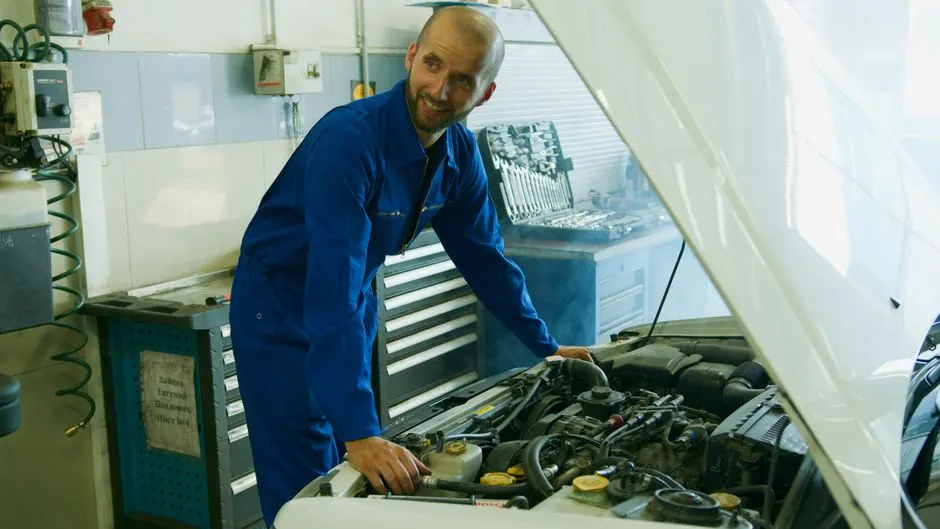
A furnace leaking water in Severance is almost always caused by a blocked condensate drain, a frozen condensate line, or a failed condensate pump - not by a broken heat exchanger or a gas problem. If you see water pooling around the base of a high-efficiency furnace, shut off the unit at the thermostat and check the drain line before anything else. The rest of this post walks through the five causes we see most on Severance calls, the checks you can safely do yourself, and the point where you should stop and call a tech.
Why is my furnace leaking water in Severance CO?
Furnace leaking water in Severance CO is a condensation problem, not a plumbing problem. Modern high-efficiency furnaces (90% AFUE and up) pull so much heat out of the flue gas that the leftover vapour condenses into liquid - roughly one gallon of water per 100,000 BTU of gas burned, per hour of runtime. That water has to leave the unit through a drain line and a pump. When either one fails, the water ends up on your floor instead.
Older 80% furnaces do not produce condensate at all, so if you have an 80% unit and you are seeing water, the cause is different - usually a backed-up AC condensate pan sharing the same drain, or a humidifier leaking onto the cabinet. We sort that out on the first visit.
Severance sits at about 4,800 feet with winter design temps that drop into the single digits and teens most January nights. That cold is the reason we see more frozen condensate lines here than in lower-elevation Front Range towns. If you have ever needed Furnace Repair Severance CO in the middle of a cold snap, there is a good chance the diagnosis started with a puddle.
The five most common causes of a furnace water leak
Across the calls we run in Severance, Windsor, and Eaton, these five causes account for nearly every furnace water leak we diagnose.
1. Clogged condensate drain line
The condensate line is a 3/4-inch PVC or vinyl tube that carries water from the furnace to a floor drain, sump, or outside. Dust, rust flakes, and biological slime build up inside it over 12 to 24 months. Once the line plugs, water backs up into the furnace cabinet and spills out the bottom. This is the single most common cause we see, and it is also the cheapest to fix.
2. Frozen condensate line or trap
If any part of the condensate line runs through an unconditioned space - a garage, a crawlspace, or along an exterior wall - it can freeze solid when overnight lows hit the teens. Severance gets those nights from late November through early March. Once the line freezes, the furnace keeps producing water with nowhere to send it. A frozen trap is the second-most-common call we get in January and February.
3. Failed condensate pump
Furnaces installed below grade or far from a gravity drain use a small condensate pump to lift water up and out. Pumps last 5 to 10 years. When they fail, the reservoir overflows within a day or two of normal runtime. You will usually hear the pump running constantly or not at all before you see water.
4. Cracked or disconnected drain pan
If your furnace shares a cabinet or plenum with a central AC coil, the AC drain pan sits under the coil. A cracked pan, a rusted-out pan, or a pan that has shifted off its drain fitting will drip every time the AC runs - and sometimes every time the furnace runs too, because the coil stays wet. Pans on systems 15 years or older are the usual suspects.
5. Humidifier or bypass leak
Whole-home humidifiers mounted on the furnace supply plenum have their own water feed and drain. A stuck solenoid, a cracked supply line, or a clogged humidifier pad will send water down the side of the furnace cabinet. Homeowners often mistake this for a furnace leak because the water shows up in the same place.
What Severance homeowners should check first
Before you call anyone, four quick checks will tell you whether this is a DIY fix or a service call. Do these with the furnace off at the thermostat and a towel down.
- Find the source. Trace the water upward. If it is coming from the bottom of the cabinet, it is condensate. If it is coming from the side near a small box with a water line, it is the humidifier. If it is coming from a pan under the AC coil, it is the pan or the AC drain.
- Look at the condensate line. Follow the PVC or vinyl tube from the furnace to where it drains. Look for a clogged trap, a kink, or a section that runs through cold air.
- Check the pump reservoir. If you have a condensate pump, lift the lid. If the reservoir is full and the pump is not running, the pump is the problem.
- Check the filter. A filter clogged past about 80% restriction can ice up the evaporator coil in cooling mode and cause a pan overflow. If the filter is grey and matted, replace it.
If the line is clear, the pump runs, and the water is still coming, stop there. That points to a cracked pan, a failed trap, or a heat exchanger issue - none of which you want to troubleshoot yourself.
How do I fix a furnace water leak in Severance?
You can fix a clogged condensate line yourself in about 20 minutes with a wet/dry vac and warm water. Pull the line off at the furnace, vacuum the open end for 30 seconds, then flush the line with a cup of warm water and a splash of white vinegar. Reconnect and run the furnace for 15 minutes to confirm the drain is moving water.
For a frozen line, the fix is thawing plus prevention. A hair dryer on low, moved along the line, will thaw a short freeze in 10 to 15 minutes. Do not use a torch or heat gun. Once it is thawed, insulate any section that runs through a cold space - that is the permanent fix, and it is the one we install most often on Severance homes with lines running through garages.
For a failed pump, a cracked pan, or a humidifier leak, replacement parts are the answer. Pumps run $60 to $180 for the part in 2026, pans $150 to $400 depending on size, and humidifier solenoids $40 to $120. If you are not comfortable pulling the cabinet apart, this is the point to call us - we carry those parts on the truck and finish most of these in a single visit.
If your system is 15 years or older and this is the second or third leak in two seasons, the math starts to favour Furnace Replacement Severance CO over another repair. We will tell you straight which way the numbers fall.
Common mistakes we see on leak calls
These are the ones that turn a $200 repair into a $900 one, and we see them every winter in Severance.
- Running the furnace with water in the cabinet. Water and the control board do not mix. A board that gets wet will short, and a control board replacement runs $400 to $900 installed in 2026.
- Ignoring the leak because the heat still works. A slow condensate leak rusts out the cabinet floor and the blower housing. By the time the heat stops, you are looking at a much bigger bill.
- Pouring drain cleaner down the condensate line. It eats PVC and vinyl. Use warm water and vinegar, or a wet/dry vac.
- Thawing a frozen line with a torch. You will melt the line and possibly the cabinet. Hair dryer on low, or call us.
- Skipping the annual service. A $99 to $149 Furnace Maintenance Severance CO visit each fall clears the condensate line, checks the trap, and tests the pump - which is exactly the work that prevents a mid-January leak call.
When to call a professional
Call a pro the moment you see any of these: water actively running when the furnace is off, water near the control board or any electrical component, a leak that comes back within 48 hours of clearing the line, or any smell of gas alongside the water. Those are not DIY situations.
We also get called for the same problem from homeowners in Furnace Repair in Windsor and the surrounding towns, and the diagnosis is usually the same - condensate line, pump, or pan. Our team at Severance Furnace Repair Pros handles furnace water leaks as a same-day call, and we carry the common pumps, traps, and pans on the truck so most jobs are done in one visit. We quote the price before we start, and we test the drain with the furnace running before we pack up.
Frequently Asked Questions
Why is my furnace leaking water in Severance CO?
In 9 out of 10 Severance calls, it is a clogged or frozen condensate line. High-efficiency furnaces produce about a gallon of water per 100,000 BTU per hour of runtime, and that water has to drain. When the line plugs or freezes, it ends up on your floor.
How do I fix a furnace water leak in Severance?
Clear the condensate line with a wet/dry vac, flush it with warm water and vinegar, and confirm the pump runs if you have one. That fixes most clogs in under 30 minutes. Frozen lines need thawing plus insulation. Cracked pans and failed pumps need parts - call us for those.
Should I call a pro for furnace leaking water in Severance?
Yes, if the leak returns within 48 hours, if water is near the control board, or if the furnace is off and still dripping. Those point to a failed pump, cracked pan, or heat exchanger issue. We diagnose and repair most of these in a single same-day visit.
What causes a furnace to leak water in Severance Colorado?
The five causes we see most: clogged condensate drain, frozen condensate trap, failed condensate pump, cracked AC drain pan, and a leaking humidifier. Severance's single-digit January nights make frozen lines the number-two call after clogs.
Is a leaking furnace dangerous?
The water itself is not dangerous, but the side effects are. Water on a control board causes shorts, and a chronically wet cabinet rusts out the blower and heat exchanger. If you smell gas with the water, leave the house and call us immediately.
Get help with Furnace Repair in Severance
If your furnace is leaking water and the quick checks did not solve it, we can be at your door today. Call Severance Furnace Repair Pros at (970) 1234567 and we will find the leak, fix it, and test the drain before we leave.